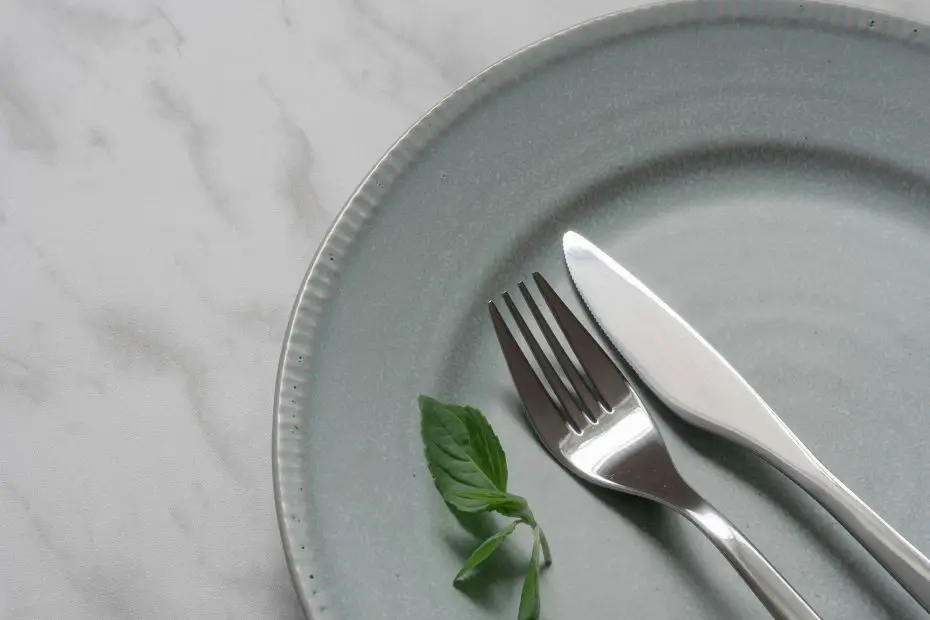
Every stylish dinner has its own unvoiced language of symbols communicated not through eyes or hands but through knives and forks. Picture it: you are seated at a well appointed table in a first class restaurant; it is relatively quiet; the waiter is not disrupting your meal with needless interruptions; WHY? Because your knife and fork have already given them all of the information they need to know.
You are maybe waiting for someone at the table. Maybe you are having coffee and still have desert to come. The silent dance of luxury cutlery is not a new-fangled diversion of high society, but rather an old ritual of deference that is re-emerging into contemporary dining culture. Although the language of fine dining is based upon the European fine dining tradition, a small portion of fine dining protocol is immigrating.
At some fine dining establishments in America, diners and waitstaff will pay attention to the waiter, and if they will pay attention to you, the message your plate conveys when you take a break, complaint, compliment. That message can be communicated without any spoken words. And whether it is at a wedding, business lunch or formal banquet, knowing how to “communicate” with your knife and fork is part of horseshoe polish in your appearance and adds an invisible to showcase subtle command of manners.
Why Table Etiquette Still Matters Today
In this emoji and instant messaging age, it might seem like a faux pas to imply that using your good old’ manners for something like sitting down at the dining room table has value, but trust me when I say it does. And more than just a matter of which fork to eat salad with.
Table manners, or etiquette, revolves around non-verbal clues about self-awareness, respect for fellow diners, and to some extent, being aware of what is happening culturally in a social context. When you know how to use utensils not just for eating but as a form of communication, you are showing that you understand and respect taking a communal sit-down meal in a shared environment.
One function, incidental or not, of the nonverbal clues, can also help lessen awkward interruptions, provide less clarifying questions, increase the ability for your hosts/caterer’s servers to read the room quickly creating a more natural and enjoyable experience for everyone.
Plus for all but some cases, especially for guests when seated in a formal atmosphere where you are being served, your eating luxuries can help signal when you are ready to proceed with the meal without breaking into an actually spoken exchange. These nonverbal clues result in aesthetically pleasing expressions and represent “grace, clarity, and consideration” and are theological imprints with untold worth.
The Language of Cutlery: What Your Plate Says
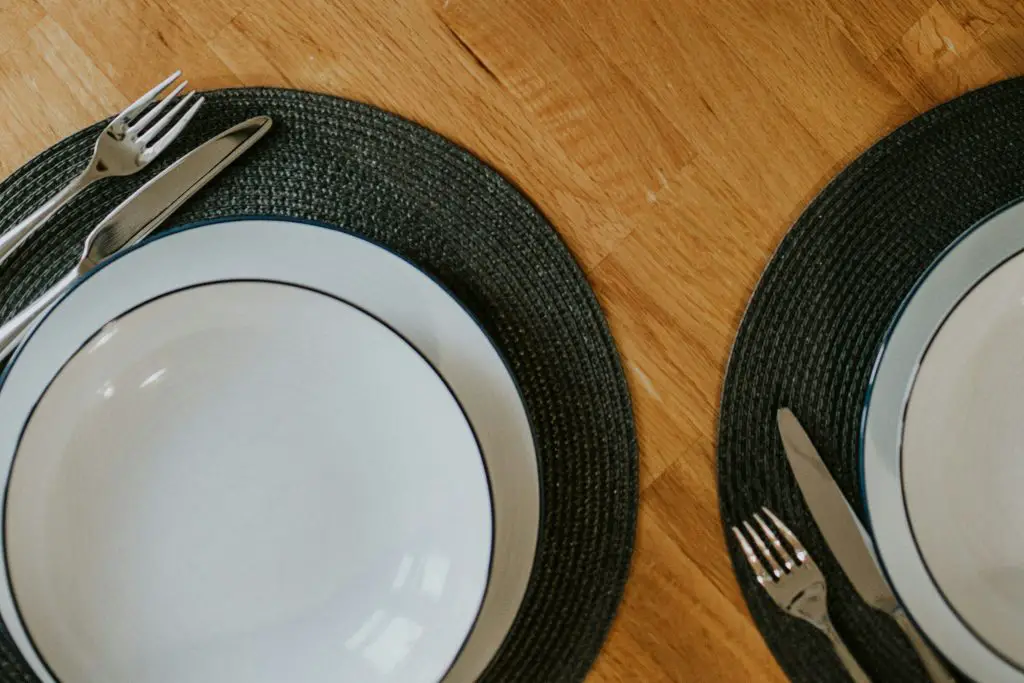
You may never have considered how you place your knife and fork on your plate. But next time, take a second glance, as the way you position your cutlery can say a lot more than you realise.
1 – “More, Please”
With the knife and fork set in the plus sign shape (+), with the writing tines pointing upward and flatware across it, the message is simple: you are not done and you want seconds. This is a polite request without words that is more prevalent in European homes and restaurants as the staff is trained to look for cues like that before offering you additional portions.
2 – “Taking a Break”
Need a second to take a sip of drink or to enjoy the talk? Put your knife and fork in an upside down “V” shape on the plate with the tips pointing toward each other. In a way similar to the hands of a clock at 4 and 8. This tells the server you are not finished eating, just taking a little break. This way you do not have to be rushed, and they will not clear up the plate too quickly in a way that may look accidental.
3 – “Not Enjoying It”
Although it is not a commonly used or understood practice, particularly in the United States of America, placing your knife and fork in a cooked crossed “X” position sends a clear and relatively stern message: that the meal was not satisfactory. This may be found more associated with high-end European dining and the potential visual feedback might be more readily accepted in less formal venues. However, it still represents a strong, definitive signal that in less formal contexts reflects a more managerial verbal statement.
4 – “Still Eating”
The position of utensils away from each other within the confines of the plate while still point-inward (e.g., knife at 4 o’clock and fork at 8) indicates that the meal is ongoing. It is a sort of understood “Do Not Disturb” sign, and for observant serving staff, can help prevent a plate clearing too early, or in reference to diners, a disservice to you, as well as to the dining experience.
5 – “Meal Completed”
This one is probably the most familiar: the knife and fork either placed together vertically, at 6 o’clock on the plate is the international symbol for, “I’m done.” It prevents waiters from having to bother you for a completion inquiry interrupting you or your dining companions, and allows your dining experience to flow seamlessly.
6 – “Loved It!”
Optionally for an extra hint of gratitude, knife and fork positioned parallel to each other, horizontally at 3 o’clock on the plate, signals you have finished dining, but that you enjoyed your meal, thoroughly. It is the nonverbal travel equivalent of a smile and nod, easily identifiable but powerful.
Conclusion
Every piece of cutlery has something to say, quietly, chronically, and officially. Although the placement of a knife and fork on a plate may not mean much in and of itself, in context it could potentially say as much or more than tons of words. These intentional gestures are a subtle art-form, a language of respect and intention, for the two gestures themselves have been learnt sweetly gradually, over many centuries, and live on, mostly, still today.
So next time you are partaking in an eating experience, whether that is a fine dining restaurant or a very formal dinner party, give your plate a chance to do some of the talking. With a few small messages in a selective manner, you could mean what we wish to communicate whilst saying nada!

Numrah Fareed is a freelance writer and home organization enthusiast with a passion for practical, eco-friendly living. When not typing away at her desk, she’s experimenting with DIY cleaning hacks and helping readers simplify their routines one tip at a time.